South or North of Gran Canaria: Why Staying in the Capital Makes Sense
Gran Canaria isn't understood the same way from the south as from the north. The south lives on sun, beach and holiday tourism; the north has a different pace, more urban and everyday, with the capital as its centre. Choosing where to stay isn't a matter of getting it right or wrong, but of deciding what kind of trip you want to have.
The South: Wide Beaches and Guaranteed Sun
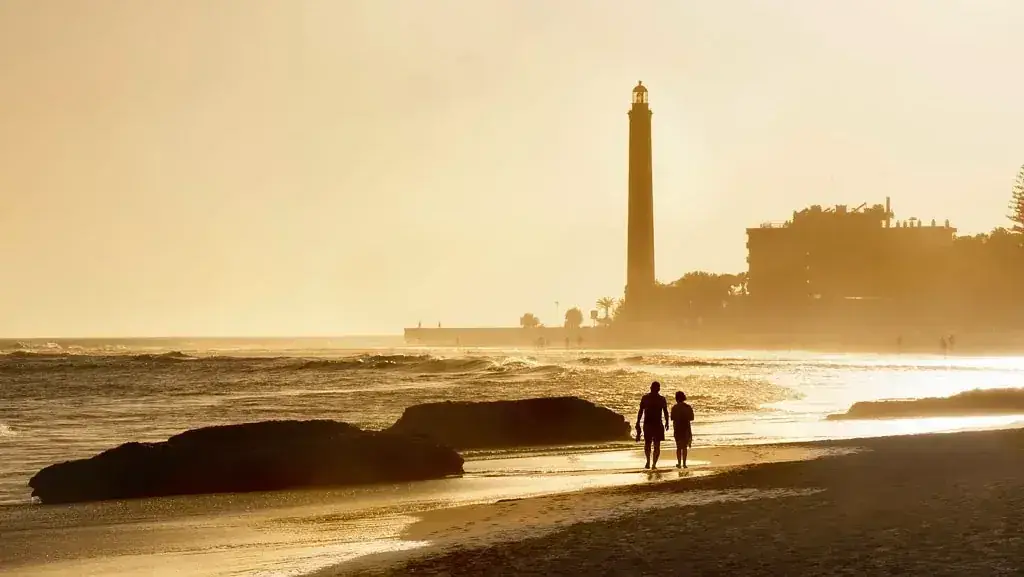
The south holds the island's most classic tourist offering. Maspalomas, Meloneras, Playa del Inglés, San Agustín and Puerto Rico bring together hotels, beaches and restaurants designed for relaxation, and they get more hours of sunshine a year than the rest of Gran Canaria. The Dunas de Maspalomas are, by far, its most recognisable image.
The North: The Capital as a Base
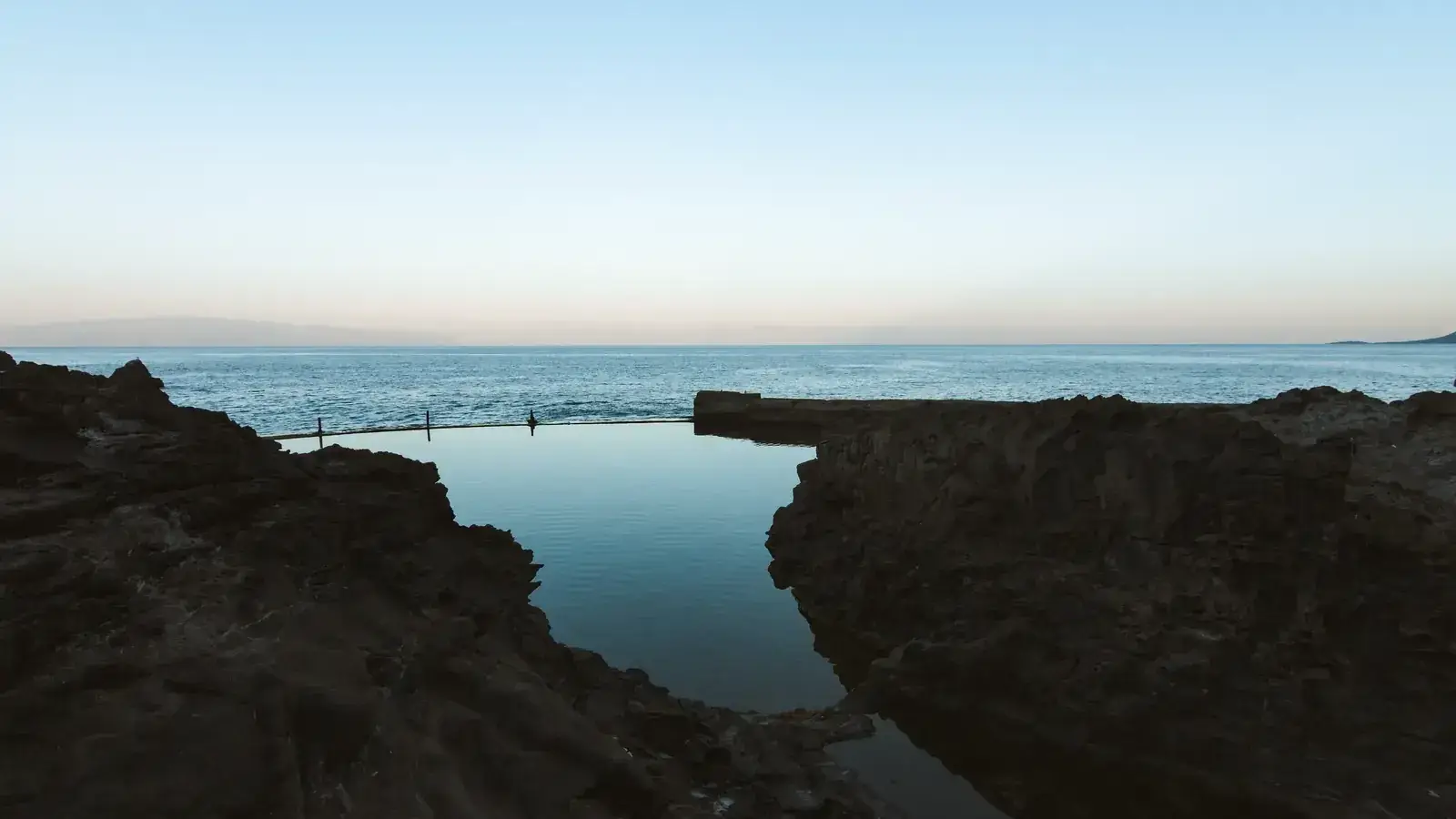
The north offers a different way of travelling. Las Palmas de Gran Canaria combines city life, history and one of the best urban beaches in the Canary Islands, Las Canteras, with its seafront promenade of nearly three kilometres. Staying here means having the historic quarter of Vegueta, markets, restaurants and neighbourhood life close by all year round, not just in high season.
Why the Capital Works Well as a Base
Las Palmas de Gran Canaria is well connected to the rest of the island: from here you can head south for a day at the beach, up to the summit for a mountain route, or over to the inland villages, and return each night to an urban setting with its own leisure and dining scene. It's a particularly convenient choice for anyone who doesn't want to rely on a single area for the whole trip.
South or North?
If the plan is purely beach, sun and hotel comfort, the south remains a logical choice. But if you're after city life, culture, gastronomy and easy access to the rest of Gran Canaria without giving up an urban feel, staying in the capital makes sense: it brings together the best of both worlds, with Las Canteras as its very own beach.
FAQs
Which part of Gran Canaria has more beaches, the south or the north?+
The south holds the largest offering of holiday beaches, such as Maspalomas, Meloneras or Playa del Inglés. The north has less beach area, but it has Las Canteras, right in the capital, with almost three kilometres of seafront promenade.
Why stay in Las Palmas de Gran Canaria instead of the south?+
Because it combines city life, history and an urban beach in one place, with good connections to the south and the interior. It's a convenient base for anyone who doesn't want to limit themselves to a single area of the island during the trip.
Does the south of Gran Canaria get more sun?+
Yes, the south records more hours of sunshine a year than the rest of the island, which explains much of its hotel and tourism offering.
Can you visit the south while staying in the capital?+
Yes. Las Palmas de Gran Canaria is well connected to the south of the island, so it's common to organise day trips to Maspalomas or Puerto de Mogán and return to sleep in the capital.
You may also like
What to Do in Gran Canaria: Urban Beach, Dunes, Summit and Local Flavour
 Guide
What to Do in Gran Canaria: Urban Beach, Dunes, Summit and Local Flavour
The essential things to do in Gran Canaria: Playa de Las Canteras right in the capital, the Dunas de Maspalomas, the route to the summit, local gastronomy and the island's most characterful villages.
Gran Canaria in 7 Days: A Complete Itinerary from the Capital
 Guide
Gran Canaria in 7 Days: A Complete Itinerary from the Capital
A week-long plan to discover Gran Canaria starting from Las Palmas: the historic quarter and Las Canteras, the southern dunes, Puerto de Mogán, the summit and the inland villages.